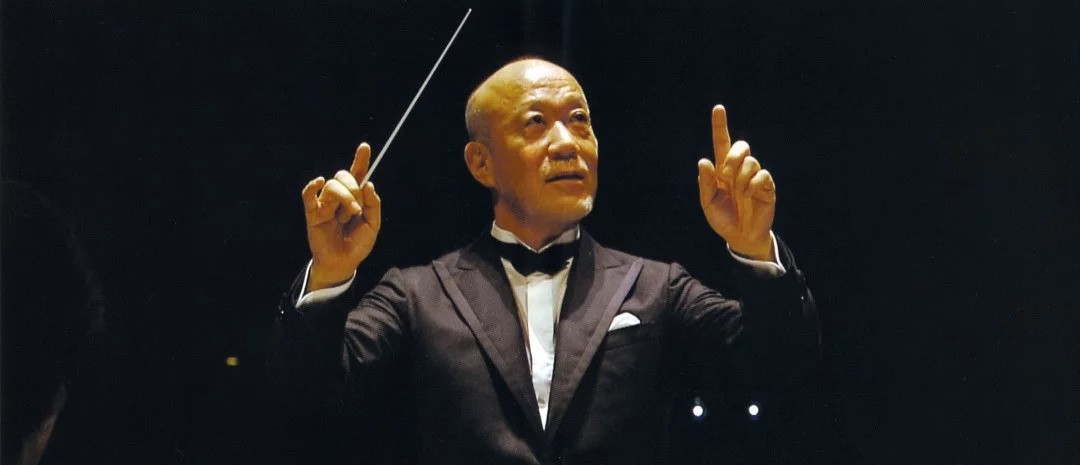
In the world of cinematic music, few composers have carved out a signature as instantly recognizable and emotionally profound as Joe Hisaishi. Known primarily for his collaborations with Studio Ghibli and directors such as Hayao Miyazaki, Hisaishi has created a musical language that blends simplicity with grandeur, intimacy with universality, and silence with sound. His approach to scoring goes beyond mere accompaniment; it becomes an integral narrative voice, one that shapes characters, landscapes, and emotions with subtlety and power.
Hisaishi’s genius lies not just in the melodies he writes, but in his profound understanding of the spaces between notes, the strategic pauses and silences that amplify the emotional resonance of a scene. These moments of quiet are not empty—they are charged with potential, letting the audience breathe and absorb the cinematic world around them. In essence, Hisaishi treats silence as an instrument, a tool as expressive as any orchestral section.
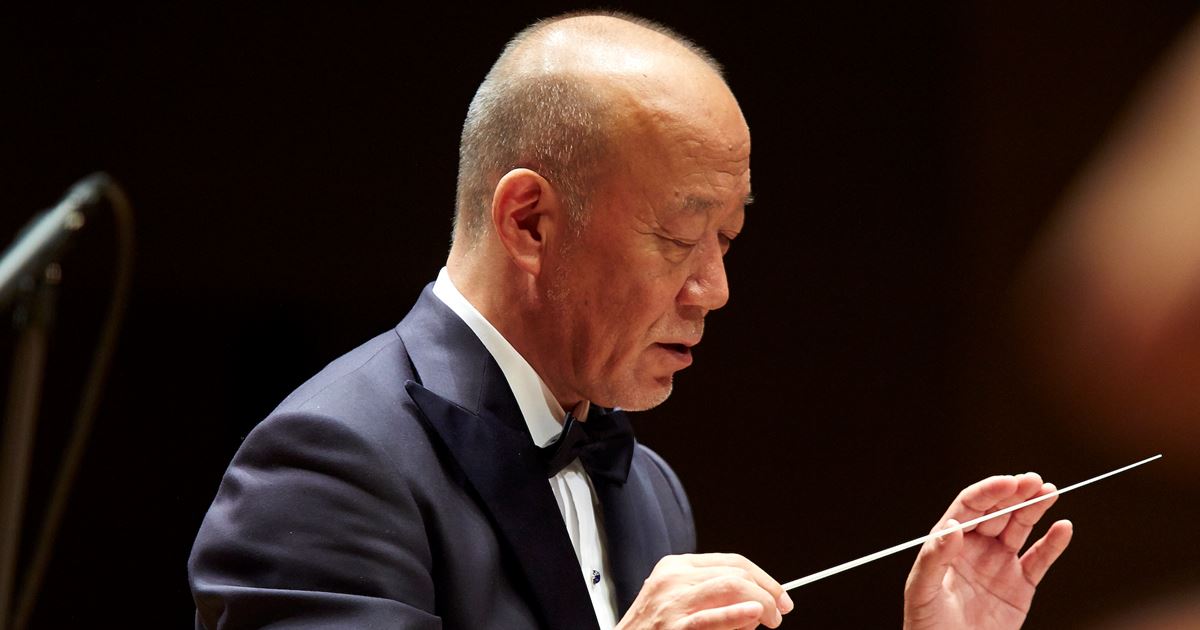
Crafting Emotion Through Silence
One of the most striking aspects of Hisaishi’s compositions is his ability to weave silence seamlessly into soundscapes. In films like My Neighbor Totoro, the soft, gentle piano motif that accompanies the forest scenes is punctuated by stretches of quiet, where the absence of music allows the natural sounds of rustling leaves and birdsong to take center stage. This interplay between sound and silence mirrors the rhythms of real life, creating an immersive experience that feels deeply organic.
In Princess Mononoke, Hisaishi’s use of restraint is particularly notable. The score employs long, sustained strings and sparse percussion, leaving space for the forest to speak for itself. This technique elevates the tension of the narrative, as the viewer’s anticipation is heightened by what is unsaid and unheard. Hisaishi demonstrates that music’s true power lies not merely in its presence, but in its timing, and in the careful cultivation of silence.
The Signature Melodies That Define Worlds
While Hisaishi masterfully uses silence, his melodies are equally compelling, often hauntingly simple yet profoundly affecting. The theme from Spirited Away is a perfect example: the delicate piano motif captures both wonder and melancholy, echoing the film’s exploration of childhood and the liminal space between reality and fantasy. The melody itself is uncomplicated, but it lingers in the mind long after the film ends, a testament to Hisaishi’s skill in creating music that feels eternal.
Similarly, One Summer’s Day, another piece from Spirited Away, uses rising strings and gentle piano to evoke a sense of longing and discovery. The score mirrors the protagonist Chihiro’s journey, with each musical phrase reflecting her emotional growth. Hisaishi’s ability to align musical architecture with narrative structure allows audiences to feel the story on an almost subconscious level, creating a profound connection between image, character, and sound.
Orchestration as Storytelling
Hisaishi’s unique musical language is also evident in his orchestration choices. He frequently blends classical Western instrumentation with Japanese sensibilities, creating a hybrid sound that feels both familiar and exotic. In Howl’s Moving Castle, for instance, the sweeping orchestral themes are interspersed with moments of delicate harp and celesta, creating a dreamlike quality that mirrors the film’s fantastical setting. The orchestration is never decorative; every instrument, every note, serves a narrative purpose.
In Kiki’s Delivery Service, Hisaishi’s score captures the rhythms of everyday life with an almost cinematic realism. Light pizzicato strings and playful flutes accompany Kiki’s flight through the city, while sudden pauses highlight moments of introspection or uncertainty. Here, Hisaishi demonstrates his ability to translate psychological and emotional states into musical language, using instrumentation and timing to guide the audience’s emotional response.
The Role of Minimalism
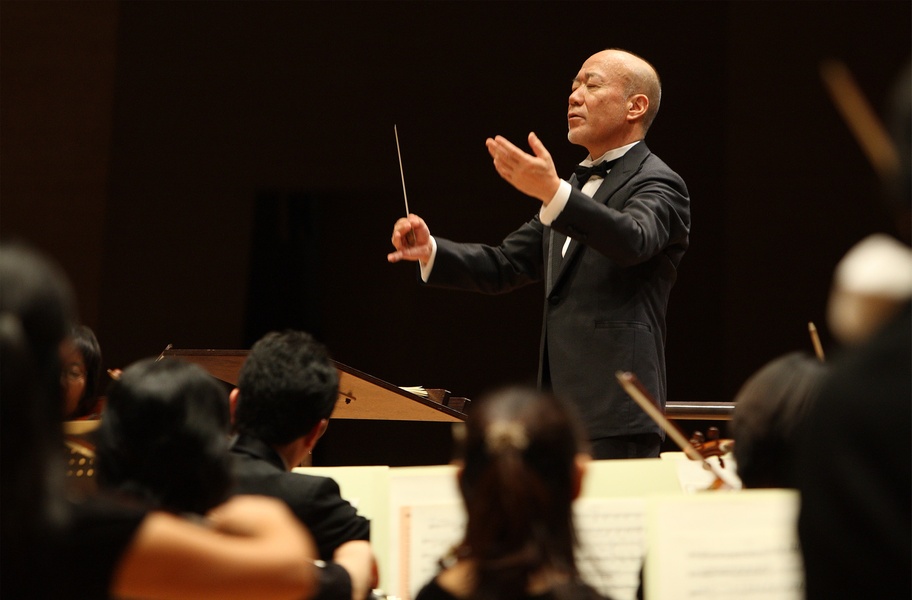
A hallmark of Hisaishi’s style is minimalism, the use of simple motifs repeated and varied to create depth. Minimalism allows Hisaishi to convey complex emotions without overwhelming the viewer. In Laputa: Castle in the Sky, the recurring flute and piano themes build tension and wonder simultaneously. The restraint in the music mirrors the narrative’s themes of exploration and discovery, showing that Hisaishi understands that music is not merely decoration, but a storytelling force.
This minimalism also extends to his use of silence. By juxtaposing sparse musical motifs with quiet moments, Hisaishi creates a breathing, dynamic score. The audience is not passive; they are invited into the rhythm of the story, to feel anticipation, surprise, or serenity along with the characters. This approach has made his scores timeless, as they resonate on a deeply human level, independent of culture or language.
Emotional Universality Through Sound
One of the reasons Joe Hisaishi’s music has transcended cultural boundaries is its emotional universality. His compositions evoke feelings that are instantly recognizable: joy, wonder, fear, or sorrow, without relying on complex harmonic structures or grandiose orchestral displays. The theme from The Wind Rises, for example, captures a bittersweet beauty through simple piano chords and a soaring orchestral line. It conveys both the joy of creation and the inevitability of loss, speaking to audiences on an intuitive, emotional level.
Hisaishi’s music often serves as the emotional heartbeat of a film, guiding the viewer through landscapes of fantasy and reality alike. His scores allow audiences to experience emotions they may not even have words for, making his work both deeply personal and universally resonant.
Collaborations that Defined an Era
Hisaishi’s longstanding collaboration with Hayao Miyazaki is central to understanding his musical language. Together, they have created films where music and imagery are inseparable, each enhancing the other in subtle, profound ways. In Ponyo, the buoyant, playful score mirrors the oceanic wonder and childlike innocence of the story, while in Nausicaä of the Valley of the Wind, the music amplifies the epic scale of environmental conflict and personal heroism.
Beyond Studio Ghibli, Hisaishi has worked with directors such as Takeshi Kitano, showcasing his versatility. His score for Hana-bi is sparse, haunting, and minimalist, demonstrating that his command of silence and sound extends beyond animation into live-action cinema. Across genres, Hisaishi’s compositions maintain the same emotional clarity and narrative sensitivity that have defined his career.
The Interplay of Technology and Tradition
Hisaishi’s music often marries traditional acoustic instruments with electronic textures, creating a timeless yet contemporary sound. In Howl’s Moving Castle, subtle electronic pads underscore sweeping orchestral lines, adding depth without distraction. This balance of technology and tradition is key to Hisaishi’s style: it allows him to expand the emotional range of his scores while maintaining the warmth and humanity that make his music resonate.
His use of technology is never flashy or self-conscious. Instead, it enhances the natural ebb and flow of the music, much like a painter choosing the perfect shade. The result is a soundscape that feels both immediate and eternal, intimate and expansive.

The Lasting Legacy of Joe Hisaishi
Joe Hisaishi’s approach to film music has redefined how composers think about the relationship between sound, silence, and narrative. By treating silence as an instrument, crafting melodies that linger, and orchestrating with both simplicity and sophistication, Hisaishi has created a body of work that is instantly recognizable and profoundly moving.
His compositions continue to influence a new generation of composers, not only in Japan but worldwide. The balance he achieves between technical mastery and emotional resonance is rare, making his music a benchmark for excellence in cinematic scoring. From the ethereal piano of Spirited Away to the grand orchestral sweeps of Princess Mononoke, Hisaishi’s work demonstrates that music in film is not just an accompaniment—it is a language unto itself, capable of conveying the deepest human emotions with elegance and grace.
Conclusion: Silence as a Form of Expression
Ultimately, Joe Hisaishi teaches us that music’s power is inseparable from the spaces it leaves empty. His unique musical language is not defined solely by notes or instruments, but by the dialogue between sound and silence, melody and emotion. Through his scores, we learn that what is unplayed can be as expressive as what is played, and that the truest cinematic music enhances our experience without ever overwhelming it.
In a world increasingly dominated by bombastic soundtracks and relentless auditory stimulation, Hisaishi’s work stands as a reminder of the subtle, transformative power of restraint. His music is a quiet, enduring force that continues to touch hearts, shape narratives, and elevate the art of cinema to something transcendent.