
Pedro Almodóvar’s films are a feast for the senses, a vivid tapestry of color, emotion, and storytelling that captivates audiences worldwide. Yet, one of the most potent tools he wields—sometimes subtle, sometimes overt—is music. In Almodóvar’s cinema, music is never merely background noise; it is a narrative force, a character in its own right, a vehicle for desire, memory, and emotional resonance. From the heart-pounding intensity of a passionate encounter to the quiet ache of longing, the melodies and rhythms in his films shape the emotional landscape with unparalleled precision.
Almodóvar’s relationship with music is as eclectic as his filmography. He seamlessly moves between traditional Spanish songs, international pop hits, classical compositions, and original scores, creating a sonic universe that feels both familiar and provocative. Music in his films does more than punctuate moments; it amplifies internal states, illuminates hidden desires, and sometimes even acts as a narrative compass, guiding viewers through complex emotional terrain.

Music as Emotional Amplifier
In Talk to Her (2002), one of Almodóvar’s most critically acclaimed works, music becomes a conduit for empathy and emotional intimacy. The film, which centers on two men caring for women in comas, explores love, obsession, and vulnerability in ways that dialogue alone could not convey. The recurring piano pieces, composed by Alberto Iglesias, are ethereal yet deeply human, capturing the fragile beauty of connection and the weight of unspoken longing. Every note resonates with the characters’ inner turmoil, turning silence into a symphony of desire and despair. The audience doesn’t just watch their emotions unfold—they feel them.
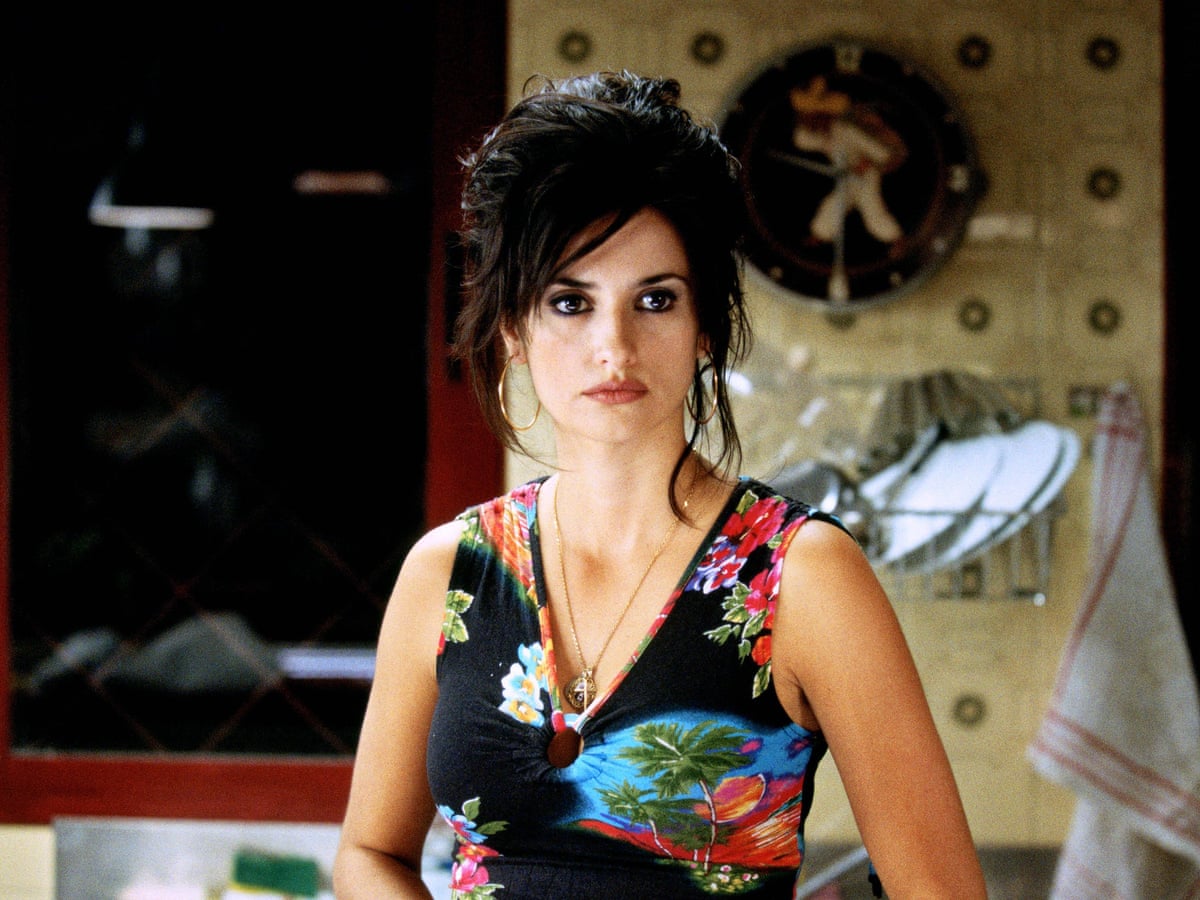
Similarly, in Volver (2006), Almodóvar pairs music with storytelling to evoke nostalgia and cultural memory. The flamenco-infused score and traditional Spanish songs performed by the characters themselves root the film in a distinctly Spanish identity, evoking both joy and melancholy. When Raimunda (Penélope Cruz) sings, it is not a performance for entertainment but an expression of resilience and suppressed emotion, a musical catharsis that mirrors the film’s themes of survival, family, and the haunting presence of the past. Here, music transcends its auditory role, becoming a vessel for unspoken histories and buried feelings.
Pop Music and Cultural Commentary
Almodóvar’s use of pop music is equally significant. In High Heels (1991), the inclusion of contemporary pop songs adds layers of irony, drama, and camp, reflecting the heightened emotions of the characters. Pop music in Almodóvar’s films often serves as both a reflection of the characters’ inner lives and a commentary on the culture around them. It can be exuberant, playful, or deeply ironic, transforming ordinary scenes into moments of heightened theatricality. This deliberate interplay between sound and narrative emphasizes that music in his cinema is not just decorative; it is a lens through which viewers experience the story.
In Talk to Her, for instance, the use of classical pieces alongside modern tracks creates a tension that mirrors the film’s exploration of unconventional relationships and moral ambiguity. The music guides the audience’s perception, subtly directing empathy and shaping interpretation without ever resorting to exposition. It is an emotional map, guiding viewers through complex psychological terrain, ensuring that the subtlest gestures and glances carry profound weight.
Music as Desire and Identity
Desire is a central motif in Almodóvar’s films, and music often acts as its most eloquent expression. In Bad Education (2004), the intertwining of sexual longing and artistic ambition is underscored by a carefully curated soundtrack that blends period-specific music with original compositions. The film explores themes of memory, betrayal, and identity, and music punctuates these layers, transforming scenes of intimacy and conflict into deeply resonant experiences. Songs in Almodóvar’s work often function as emotional signifiers, communicating what words cannot, and in doing so, they invite audiences to inhabit the private, sometimes painful spaces of his characters’ desires.
All About My Mother (1999) also demonstrates Almodóvar’s mastery of music as a vessel for emotional storytelling. The soundtrack, enriched by both classical and popular music, mirrors the film’s oscillation between tragedy and comedy. When Manuela (Cecilia Roth) navigates loss and maternal devotion, music articulates grief in ways that dialogue cannot. The swelling strings, poignant vocal lines, and carefully chosen diegetic songs convey a depth of feeling that transcends the screen, allowing the audience to experience the full spectrum of her emotional journey.

The Role of Diegetic and Non-Diegetic Music
Almodóvar is a master of balancing diegetic music—the songs characters hear and interact with—and non-diegetic music, the score that exists outside the world of the film. This interplay enhances narrative tension and emotional depth. In Women on the Verge of a Nervous Breakdown (1988), the vibrant soundtrack blends diegetic performances with Iglesias’s musical cues, creating a dynamic emotional rhythm that propels the story. Music becomes a bridge between the audience and the characters’ inner lives, highlighting the intensity of emotions like passion, despair, and joy while preserving the film’s signature blend of melodrama and humor.
Diegetic music in Almodóvar’s films often functions as a narrative tool in its own right. In Talk to Her, for example, a character’s piano playing is not merely an ambient detail but an act of communication, bridging the gap between consciousness and unconsciousness, between isolation and connection. Non-diegetic elements, meanwhile, heighten dramatic tension or underscore emotional resonance, demonstrating Almodóvar’s meticulous attention to how sound shapes perception and feeling. This dual approach ensures that music is always integral to storytelling, never an afterthought.
Music and Queer Expression
Almodóvar’s work is renowned for its exploration of queer identity, and music plays a crucial role in articulating these narratives. Songs can serve as a form of rebellion, self-expression, or emotional truth in a world that often suppresses it. In The Flower of My Secret (1995), the score captures the protagonist’s emotional contradictions, reflecting both societal expectations and personal longing. Music becomes a conduit for exploring sexuality, desire, and gender expression, providing insight into characters’ innermost lives. The sensuality and playfulness of Almodóvar’s musical choices underscore a broader cultural commentary, celebrating freedom, individuality, and emotional authenticity.
In Kika (1993), the audacious combination of music and visual spectacle heightens the film’s camp sensibility while exploring unconventional relationships and erotic desire. Songs are deployed with irony, humor, and intensity, allowing Almodóvar to navigate complex themes of sexuality and morality. Here, music becomes a tool of empowerment, creating space for narratives that challenge norms and embrace emotional honesty.
The Emotional Grammar of Sound
One of the hallmarks of Almodóvar’s cinema is his ability to use music as an emotional grammar, a language of feeling that transcends cultural and linguistic boundaries. Whether through the haunting strings of Alberto Iglesias, the exuberant rhythms of flamenco, or the nostalgic resonance of Spanish pop, music structures the audience’s emotional experience. It signals shifts in tone, foreshadows narrative developments, and accentuates the subtle nuances of character psychology.
Consider the scene in Volver where Raimunda and her daughter share a tender, music-infused moment. The interplay of voice, instrumentation, and silence conveys the complexities of their bond—love, resilience, fear, and hope—in a way that dialogue alone could never achieve. Almodóvar’s intuitive understanding of musical timing, rhythm, and emotional resonance allows him to orchestrate cinematic moments that linger in memory, long after the credits roll.
Conclusion
In Pedro Almodóvar’s films, music is not simply an accompaniment to action; it is a conduit for emotion, a vessel of desire, and a mirror of identity. Across his diverse body of work, from Women on the Verge of a Nervous Breakdown to Talk to Her and Volver, music shapes the emotional landscape, amplifies unspoken feelings, and bridges the gap between characters and audiences. Almodóvar’s mastery lies in his ability to intertwine sound and image, crafting films where music does more than support the story—it defines it.
Through his meticulous selection of songs, innovative scoring, and nuanced interplay between diegetic and non-diegetic music, Almodóvar demonstrates that sound is as integral to storytelling as color, performance, and narrative structure. The music in his films captures the richness of human experience, illuminating desire, grief, joy, and longing in ways that words alone cannot. It is through this sonic architecture that audiences truly feel the intensity, vulnerability, and beauty of Almodóvar’s cinematic universe. In his world, music is not just heard—it is lived, felt, and remembered, echoing long after the screen fades to black.